
The Allure of Risk and Reward
At the heart of casino gambling behavior lies the intricate balance between risk and reward. The thrill of potentially winning a substantial prize can be intoxicating, leading individuals to engage in games of chance. This anticipation of a win triggers a psychological response that releases dopamine, a neurotransmitter associated with pleasure and reward. Many players even seek out reputable casinos not on gamstop to increase their chances of winning. As they chase the exhilarating high of victory, they often overlook the statistical reality of their chances, which can lead to compulsive gambling behavior.
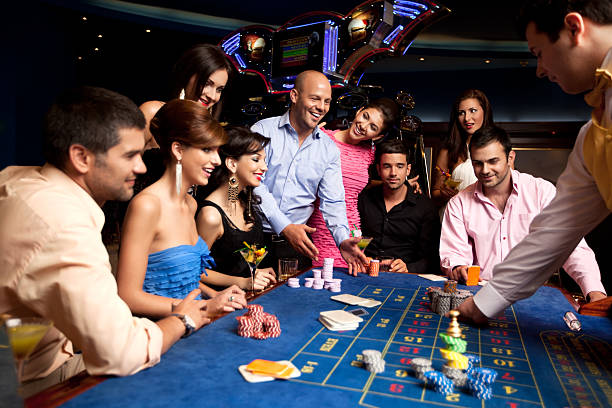
Furthermore, the design of casino environments amplifies this allure. The use of bright lights, engaging sounds, and a vibrant atmosphere creates a sensory experience that captivates attendees. Casinos are meticulously crafted to encourage prolonged play, effectively drawing gamblers deeper into the gaming experience and further fueling their desire for rewards.
The Role of Cognitive Biases
Cognitive biases play a significant role in shaping gambling behavior. One common bias is the illusion of control, where players believe they can influence the outcome of a game based on their skills or strategies, even in purely luck-based games like slots or roulette. This false sense of control can lead to increased betting and risk-taking, reinforcing the cycle of gambling.
Moreover, gamblers often fall prey to the gambler’s fallacy, the mistaken belief that past outcomes can influence future results. For instance, if a player notices a particular number has not been hit recently, they may believe it is “due” for a win. Such biases create a distorted perception of probability, often causing individuals to gamble more than they originally intended.
The Impact of Social Factors
Social influences significantly affect gambling behavior. Many individuals are drawn to casinos as social venues, seeking a shared experience with friends or family. This communal aspect can enhance the excitement of gambling, as participants celebrate wins together or console each other during losses. The social environment can foster a sense of belonging and acceptance, making individuals more likely to engage in gambling activities.
Additionally, peer pressure and social norms can also impact one’s gambling frequency and spending. As individuals observe their friends or social circles gambling, they may feel compelled to participate, leading to an escalation in their gambling habits. This dynamic often blurs the lines between recreational gambling and problematic behaviors.
Emotional and Psychological Factors
Emotions play a pivotal role in gambling behavior. Many individuals turn to casinos as an escape from stress, anxiety, or depression. The temporary thrill of gambling can serve as a coping mechanism, providing a brief reprieve from life’s challenges. However, this reliance on gambling as an emotional outlet can lead to destructive patterns, as individuals may gamble more in an attempt to manage their feelings.
Moreover, the highs and lows of gambling can create a rollercoaster of emotions. Winning may elicit feelings of elation and confidence, while losses can lead to frustration and despair. This emotional volatility can reinforce gambling behaviors, as players may chase losses in hopes of recapturing their previous success, perpetuating a cycle of hope and disappointment.

Understanding Gambling Behavior and Support Resources
Understanding the psychological factors behind gambling behavior is crucial for developing effective strategies for prevention and intervention. Resources such as counseling and support groups can provide valuable assistance for individuals struggling with gambling addiction. These programs often emphasize coping mechanisms and emotional regulation techniques to help individuals navigate their gambling impulses.
For those seeking information on bereavement and support during difficult times, websites like bereavementcommission.org.uk can provide essential resources. While these platforms focus on grief and loss, they emphasize the importance of mental well-being, which is also critical in understanding and addressing gambling behaviors. Seeking help is a pivotal step towards managing these challenges and fostering healthier habits.